

[ad_1]
Males’s Vogue Week Spring/Summer time 26 has come to a detailed, and regardless of happening in Paris and Milan, the designers took us throughout the globe. Louis Vuitton seemed to India as a key supply of inspiration, sending fashions down a snakes and ladders board game-printed runway—initially known as ‘Moksha Patam’. Emporio Armani took inspiration from African gown, Moroccan mosaics and berber tents. And Kiko Kostadinov created a fictional island city from his assortment, weaving in components of Bulgarian navy pyjamas, bagpipes and Japanese suiting.
But whereas cross-cultural inspiration in vogue is nothing new, it appears extra poignant now than in earlier seasons. “In the end, cross-cultural vogue displays each a seek for that means and a response to international uncertainty,” says Prof Carolyn Mair, vogue psychologist and writer of The Psychology of Vogue.
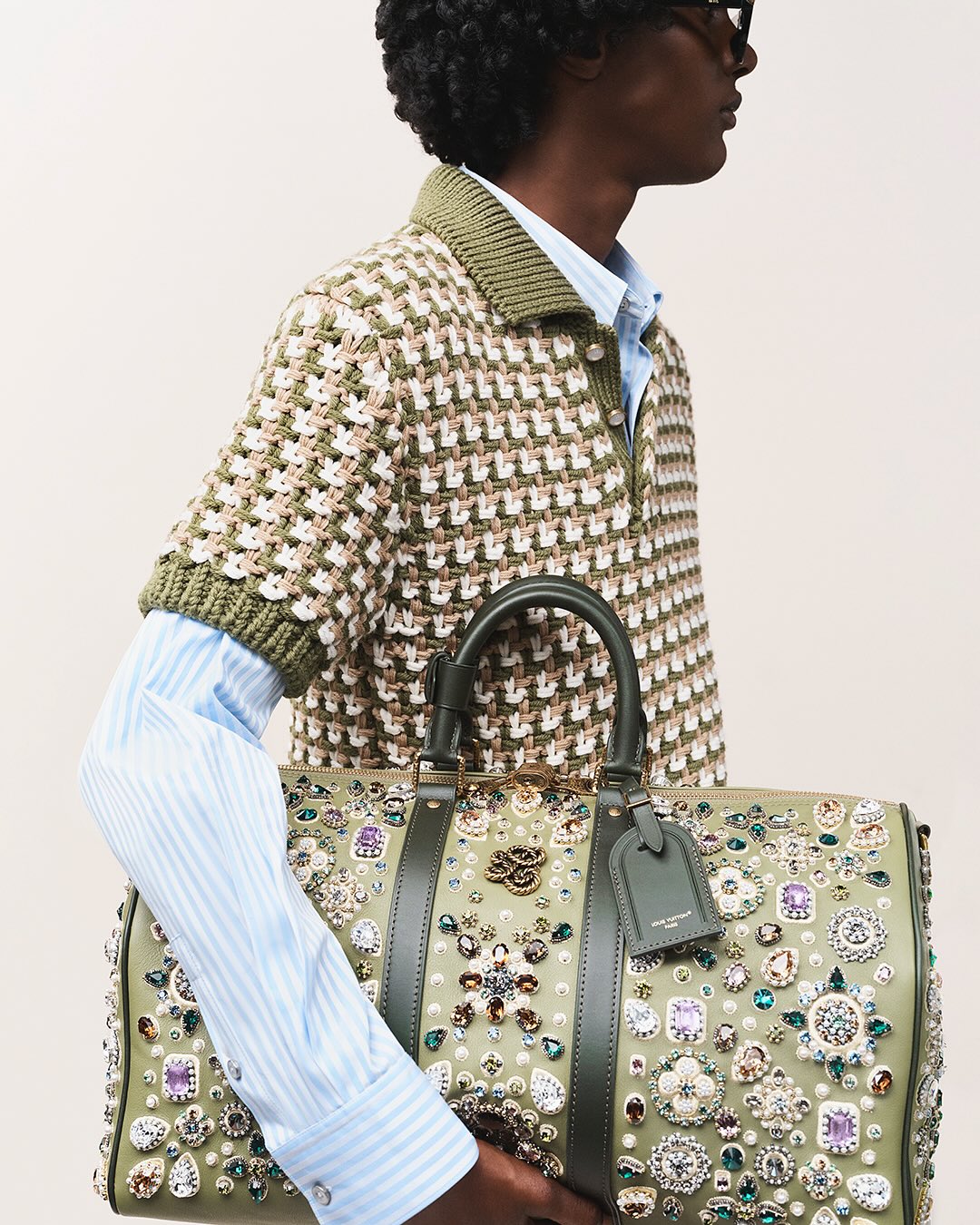
Louis Vuitton Spring/Summer time 26 runway
(Picture credit score: Louis Vuitton)
“Turning to cross-cultural inspiration in vogue faucets into deep human instincts together with the necessity to belong, the need to face out, and fascination with the ‘different’,” she continues. “In a time of cultural fragmentation and political polarisation, turning to international aesthetics is each commercially and socially strategic. It might sign alignment with extra inclusive, progressive values.”
You might like
And, as Kewal Gala, co-founder of label Margene and an ex designer for Phoebe Philo, Marc Jacobs and Margaret Howell shares, it additionally makes good enterprise sense. “There’s an rising buyer in India, a brand new higher center class with increased spending energy and so they’re trying to purchase European and American vogue. So, in fact, it is extra particular when that there’s inspiration within the collections from your individual heritage”.

Kiko Kostadinov Spring/Summer time 26 runway
(Picture credit score: Kiko Kostadinov)
However, as Mair stresses, there’s a effective line between cultural appreciation and appropriation. “With out context, collaboration or credit score, such references can backfire and set off reactance, a damaging response to perceived manipulation,” she explains. Including, “when utilizing these cultural references really feel superficial or exploitative, it might probably create cognitive dissonance particularly in an period the place identification is politicised”.
A handful of huge labels are at present beneath scrutiny from customers for these causes. Individuals are calling out for extra genuine makes use of of cultural inspiration. Crediting the tradition and utilizing the proper names of things is crucial, as Gala says, “it is time for credit score the place credit score is due,” however energetic collaboration can be far more significant. Highlighting the artisans in that area who’ve made the collections can be a begin, he says, whereas collaborating with younger designers from these rising markets—such because the likes of Charlotte Chowdhury of Rescha—would create an actual international dialogue. Solely those that do will stay on prime.
[ad_2]
Source link


