

[ad_1]
With Vogue Month simply across the nook, the trade’s gaze sharpens on questions of illustration, inclusivity, and innovation. The runway is greater than merely a stage for garments—it’s the place the hierarchy of visibility is about, the place tendencies are established, and the place the boundaries of magnificence are drawn. However Topshop’s current relaunch prompts a tougher reflection: if some of the iconic British manufacturers has already missed the second on size-inclusivity and sustainability, can we anticipate extra from the trade at giant?
Within the 2000s, Topshop was the epicentre of high-street cool; the place the place each teenage woman was alleged to go to outline her look, her identification, and to a wider extent, her belonging. However as a dimension UK 18-20 teenager, strolling by means of these doorways crammed me with a way of disgrace and resentment. I—in addition to scores of girls throughout the nation who additionally existed in larger our bodies—realised early that their clothes rails weren’t constructed for our bodies like ours. The message was clear: trend was for skinny ladies solely.
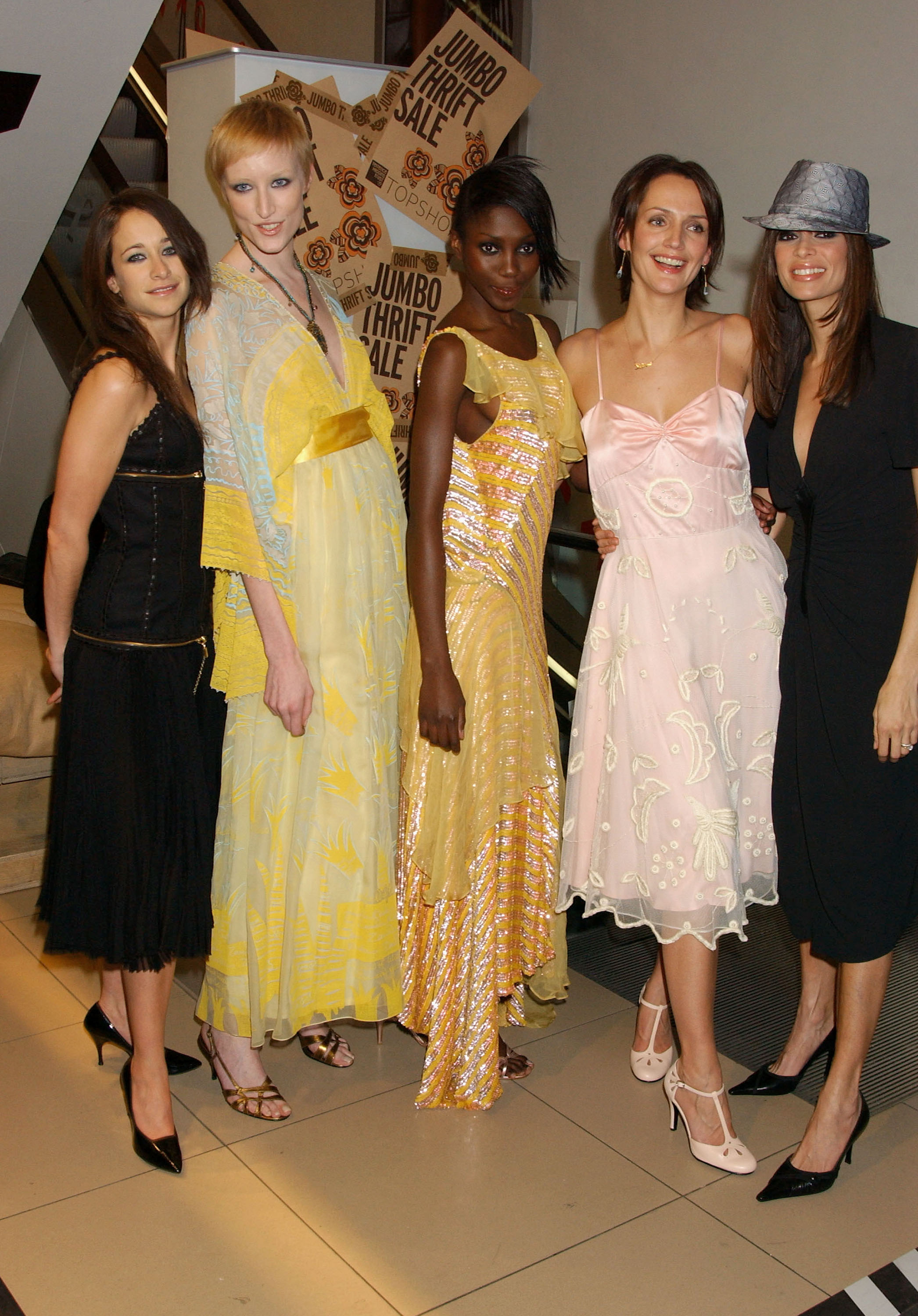
A celebration at Topshop Oxford Circus in 2004
(Picture credit score: Getty Photos)
This wasn’t nearly one model, although—it was a cultural second obsessive about thinness. It was the period of size-zero celebrities, low-rise denims that demanded flat abs, and shiny magazines that praised hunger as self-discipline. Topshop didn’t simply mirror that tradition; it amplified it by constructing its empire on the exclusion of fats our bodies. By refusing to increase their sizing, it turned exclusion into one thing of a mainstream coverage. By extension, it taught a era of women that desirability had a gown dimension—and mine wasn’t it.
Chances are you’ll like
Buying journeys with my associates, which ought to have been moments of enjoyable and self-expression, as an alternative grew to become painful reminders that I used to be the “different”. I wasn’t allowed to take part within the tendencies or the rituals of teenage girlhood that Topshop bought so successfully. By refusing to place fats our bodies of their garments, Topshop preserved thinness as the last word forex of desirability. In a method, it appeared as if a complete era of women grew up believing that trend wasn’t a playground for self-expression; it was a check of worthiness. And should you didn’t match their sizes, you failed earlier than you even tried.
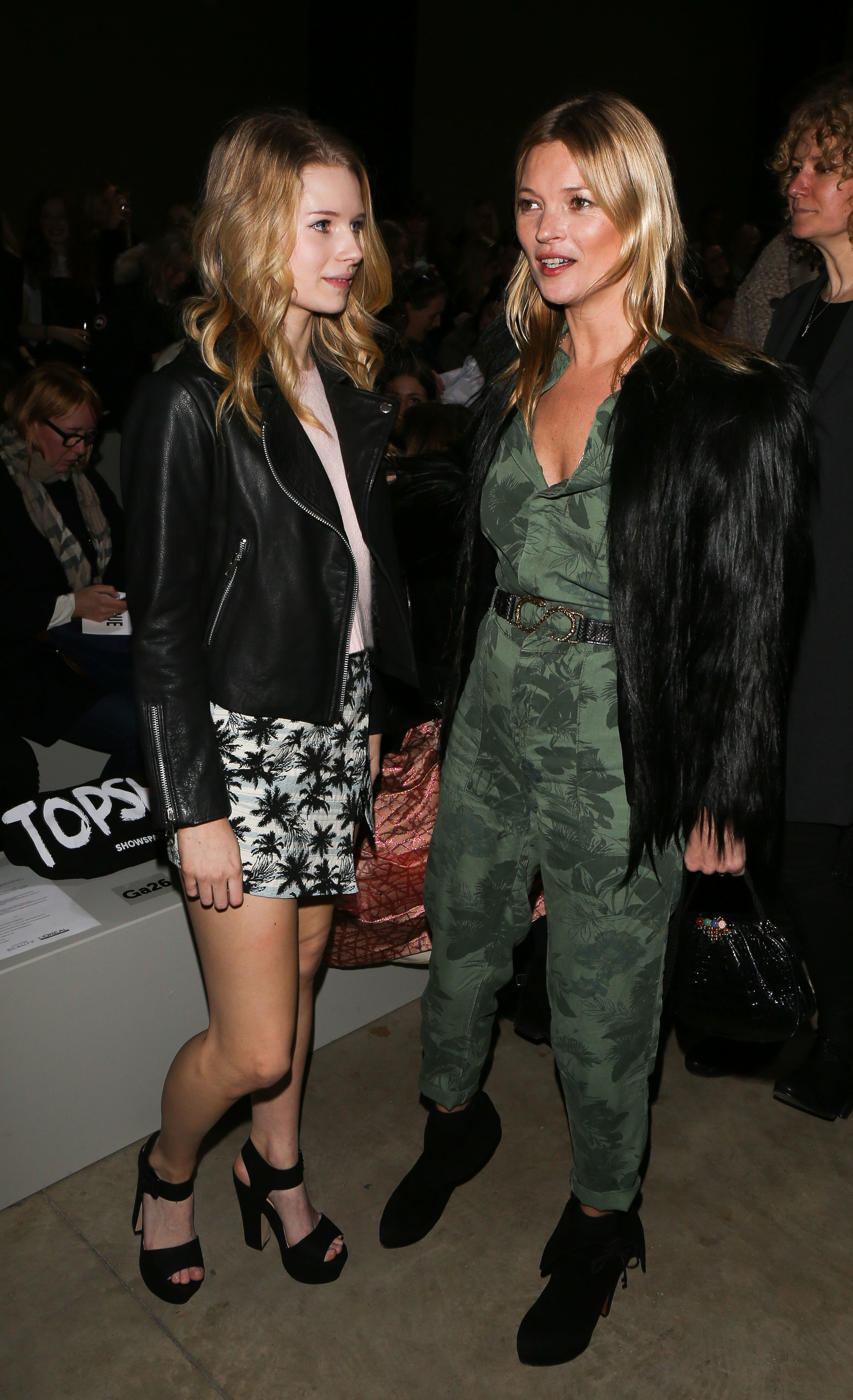
Kate and Lottie Moss at a Topshop present in in 2014
(Picture credit score: Getty Photos)
Topshop’s downfall got here in 2020, when years of declining gross sales, rising competitors from on-line fast-fashion giants like ASOS and Zara, and the collapse of its father or mother firm Arcadia pushed it into administration. The model that after outlined high-street cool had did not evolve with the digital purchasing period—or with the cultural shift towards inclusivity. Its shiny relaunch beneath ASOS in 2021 promised a brand new starting, nonetheless: the model introduced a shock sizing extension, providing its clothes throughout the Petite, Tall, Maternity and Plus Dimension edits on the web site, integrating sizes as much as a UK 26 at one level.
The dimensions extension was met with comprehensible warning from the plus-size group—myself included—but it surely additionally signalled the potential for progress quite than simply harm management; a nod to inclusivity after years of exclusion. And but, the demand was simple: Topshop’s Curve and Plus choices on ASOS bought shortly and sometimes bought out—proof that fats prospects had at all times been there, prepared to purchase.
On the identical time, a scarcity of transparency about materials and sustainable practices urged the model might not have been focused on evolving past its fast-fashion legacy. Each audiences—plus-size and climate-conscious customers—have been left questioning whether or not this was really progress, or just a distraction.
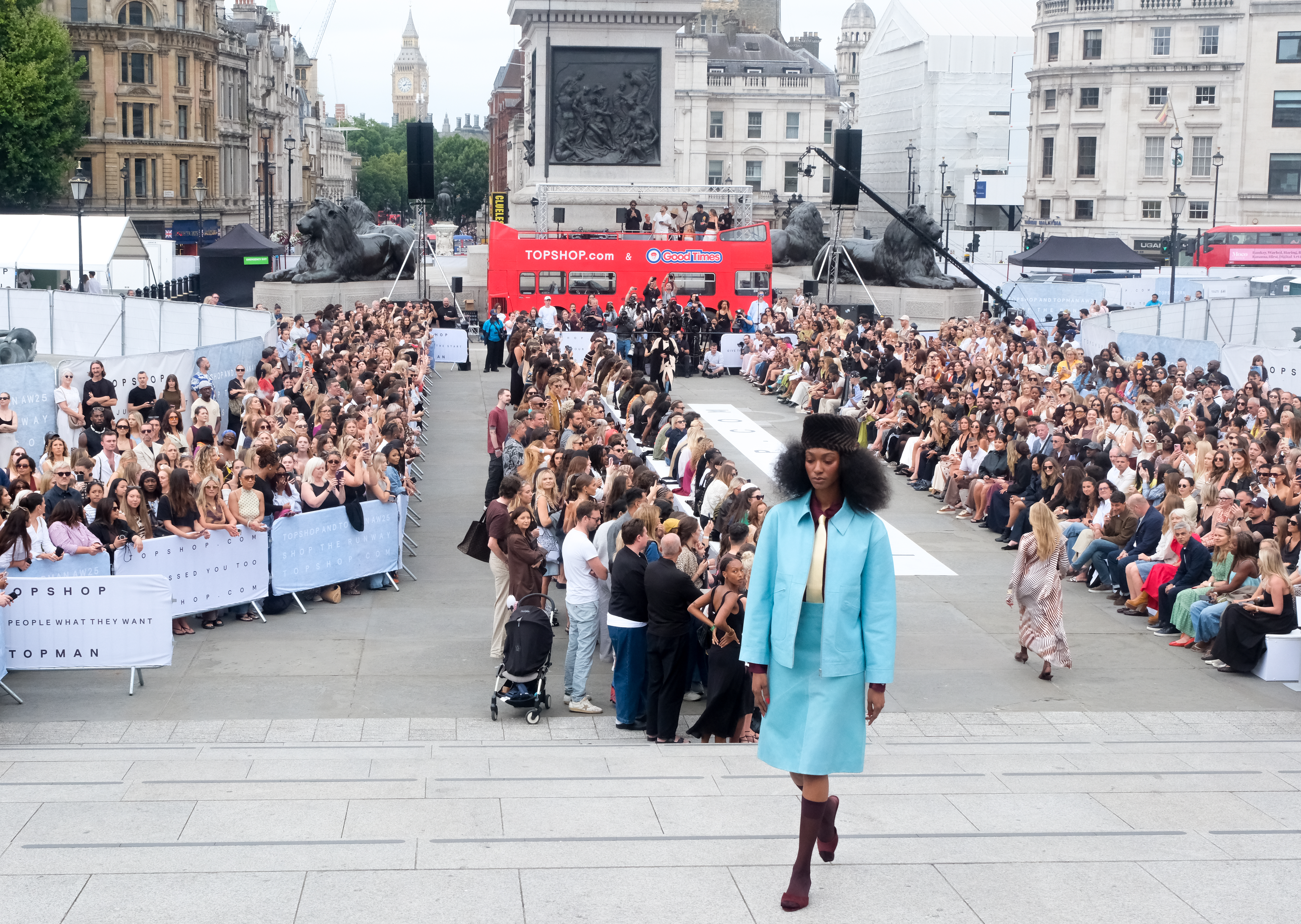
Topshop’s Autumn/Winter 2025 present
(Picture credit score: Getty Photos)
Earlier this summer season—on August sixteenth, 2025—Topshop staged its first runway present in seven years, fronted by mannequin Cara Delevingne, to mark its return to the excessive road and a concession at Liberty London. The announcement tapped right into a deep vein of nostalgia— the joys on the thought that Topshop may lastly evolve into one thing higher. A really forward-looking comeback might have meant embracing physique inclusivity, working with sustainable materials and talking on to the era that after made the model a fixture of their wardrobes. With Raey’s current exit leaving a niche available in the market, the chance was there; the danger after all, was that Topshop might select familiarity over progress.
The spectacle was met with an overwhelmingly heat reception, a reminder of the model’s cultural cachet. Nonetheless, not solely did the present solely function straight-sized fashions, however the revamped web site revealed that its new collections would solely go as much as a UK 18, as soon as once more shutting out its plus-size viewers, regardless of its efforts to supply plus-size clothes only a yr earlier. Equally absent was any dedication to sustainable practices: no material transparency, no environmental pledges, no signal that the model had reckoned with the function of quick trend in local weather collapse. Topshop might have re-entered the highlight, but it surely did so by repeating the identical errors.
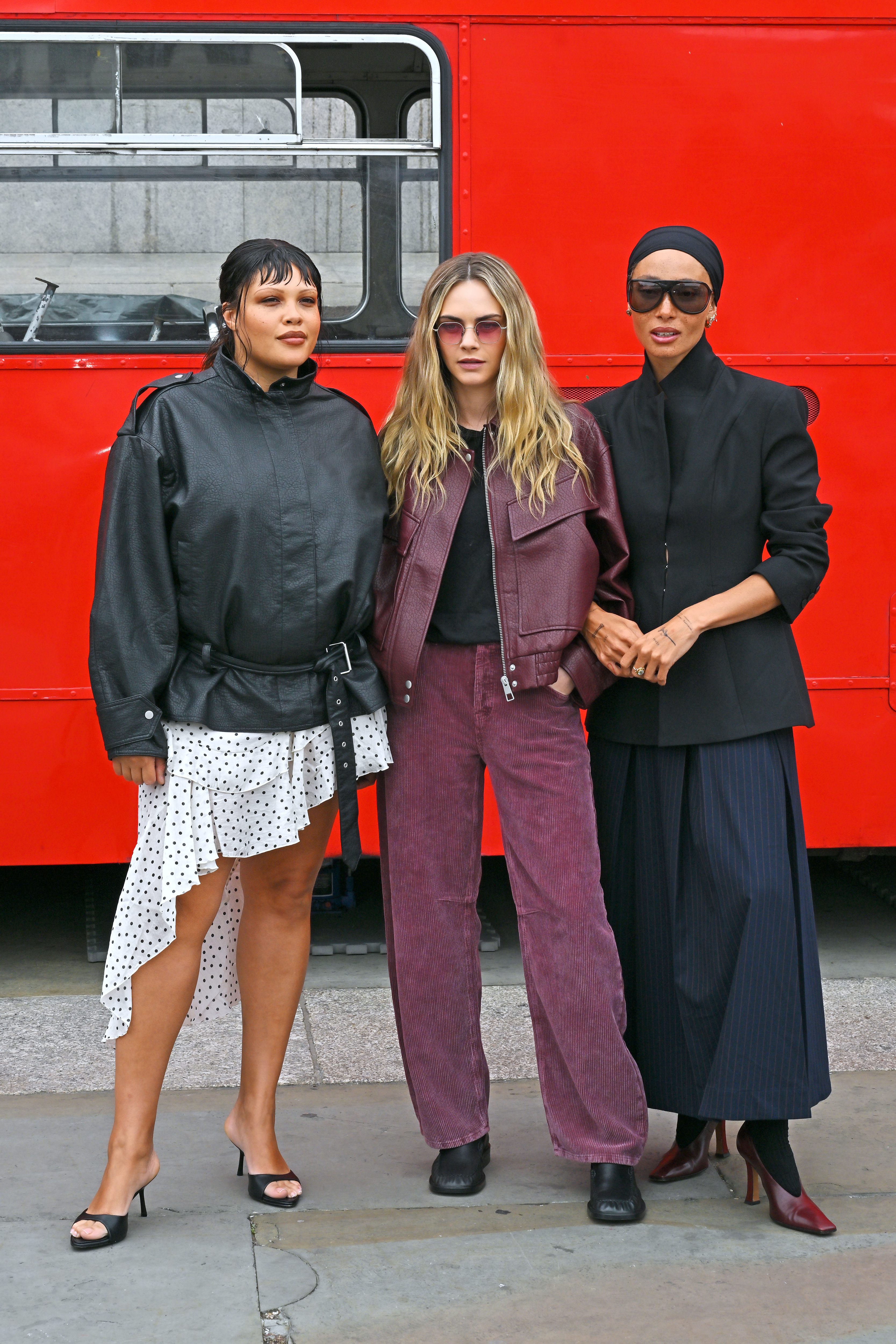
Alva Claire, Cara Delevingne and Adwoa Aboah at Topshop’s current AW25 present
(Picture credit score: courtesy topshop)
“Topshop’s relaunch and their choice is hurtful but unsurprising—but it surely’s additionally reflective of the continuing pattern of excessive road manufacturers not catering to the plus-size trend market, with the likes of H&M and River Island additionally pulling again their choices.” says Hannah Ogilvie-Younger, plus-size trend influencer and host of the Fat on Movie podcast. “It makes me really feel like my physique isn’t adequate to put on their label. My cash is just not value Topshop’s effort and time to acquire. Again of their prime they have been the ‘It woman’ high-street model and naturally of their eyes ‘it ladies; can’t be fats. In the event that they wished to cater to plus sizes, they 100% have the means to take action. It’s a selection that they don’t; a sign that they don’t want plus dimension our bodies related to their model.”
Hannah’s critique mirrors a broader frustration inside the plus-size group. In a rustic the place the common lady wears a UK 16, Topshop’s deliberate exclusion of bigger sizes wasn’t simply tone-deaf, however a surprising misstep in enterprise logic, shutting out an enormous and worthwhile viewers within the identify of sustaining a picture of what they contemplate “cool”.
As of 2023, the UK plus-size girls’s clothes market is valued at £738.4 million, and is projected to succeed in £1.2 billion by 2032, rising at a fee of 5.03% a yr. This progress displays a big shift in shopper demand in direction of extra inclusive and numerous trend choices. In the meantime, the dialog round sustainability continues to speed up, with youthful customers more and more unwilling to help manufacturers that don’t align with their environmental values. Each shifts level to the identical actuality: inclusivity and sustainability aren’t non-obligatory extras, they’re important to survival.
Regardless of the excessive demand for stylish plus-size clothes, we proceed to see the recession in trend labels both decreasing their plus dimension choices, or—like Topshop—taking their plus-size choices off the cabinets utterly. On the identical time, sustainability is usually restricted to token capsule collections or advertising campaigns, with little structural change in how garments are produced.
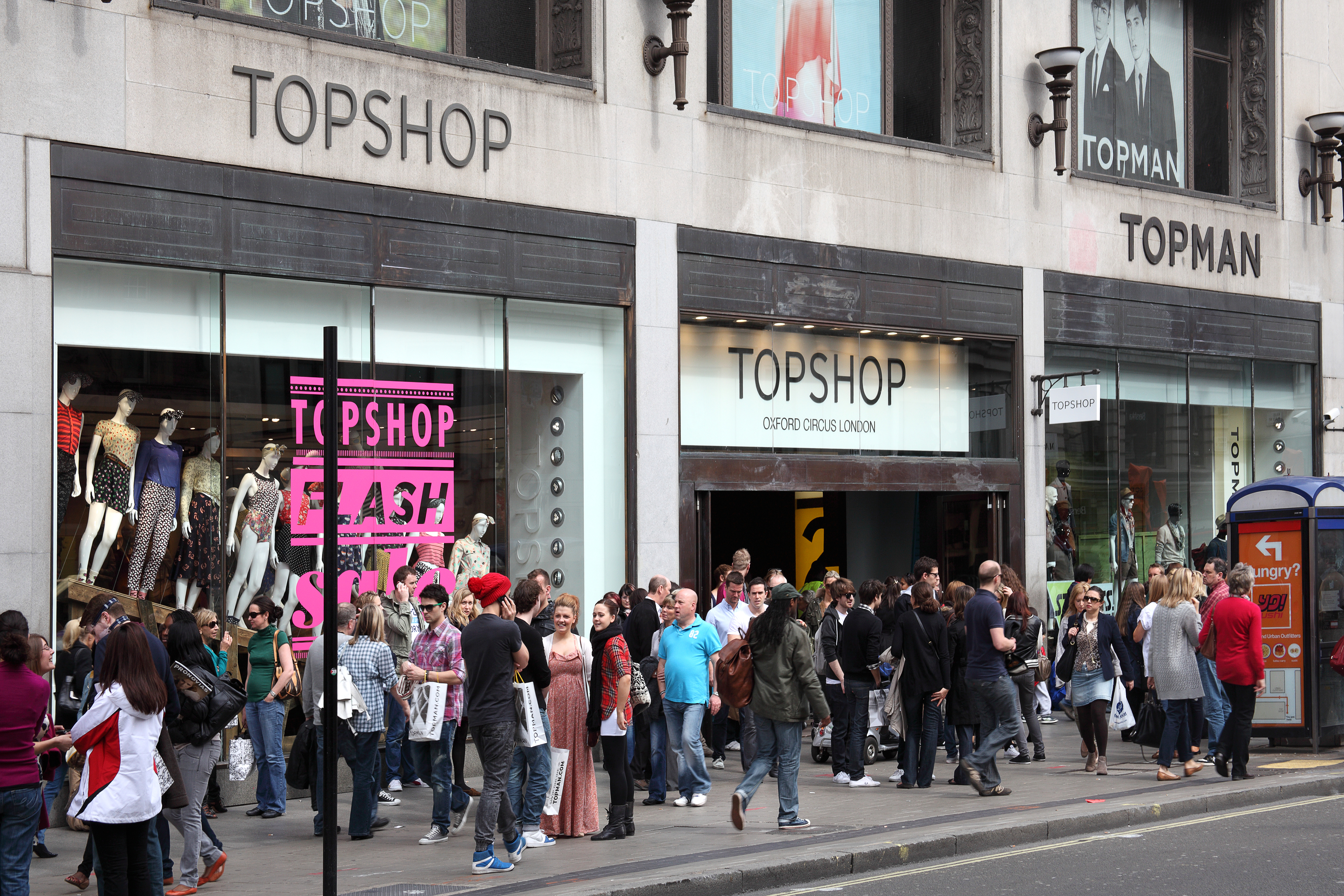
Topshop’s London flagship in 2011
(Picture credit score: TonyBaggett through Getty Photos)
As Vogue Month begins, the trade continues to pat itself on the again for incremental progress whereas sidestepping systemic reform. “I believe some manufacturers consider that folks don’t wish to spend money on trend as a result of they assume we should all be on diets—however that simply not quite a lot of plus dimension individuals’s mindsets in any respect,” continues Hannah. “We love our our bodies, we love ourselves and we wish to categorical our character by means of trendy clothes. We wish to spend money on us. However manufacturers don’t enable us the chance to take action. We’re constantly disregarded and will not be seen as worthy, trendy and beneficial customers.”
Topshop and different high-street manufacturers can not ignore plus-size consumers—or the pressing want for extra sustainable practices. Each markets are rising, the demand has been confirmed, and the will to interact with trend shouldn’t be neglected. The way forward for trend ought to be about visibility, accountability, and magnificence with out compromise.
For me, the query is straightforward: will manufacturers lastly worth the shoppers—and the planet—they’ve lengthy dismissed, or will they maintain turning away the very individuals who might maintain them in enterprise? Solely time will inform.
[ad_2]
Source link


