

[ad_1]
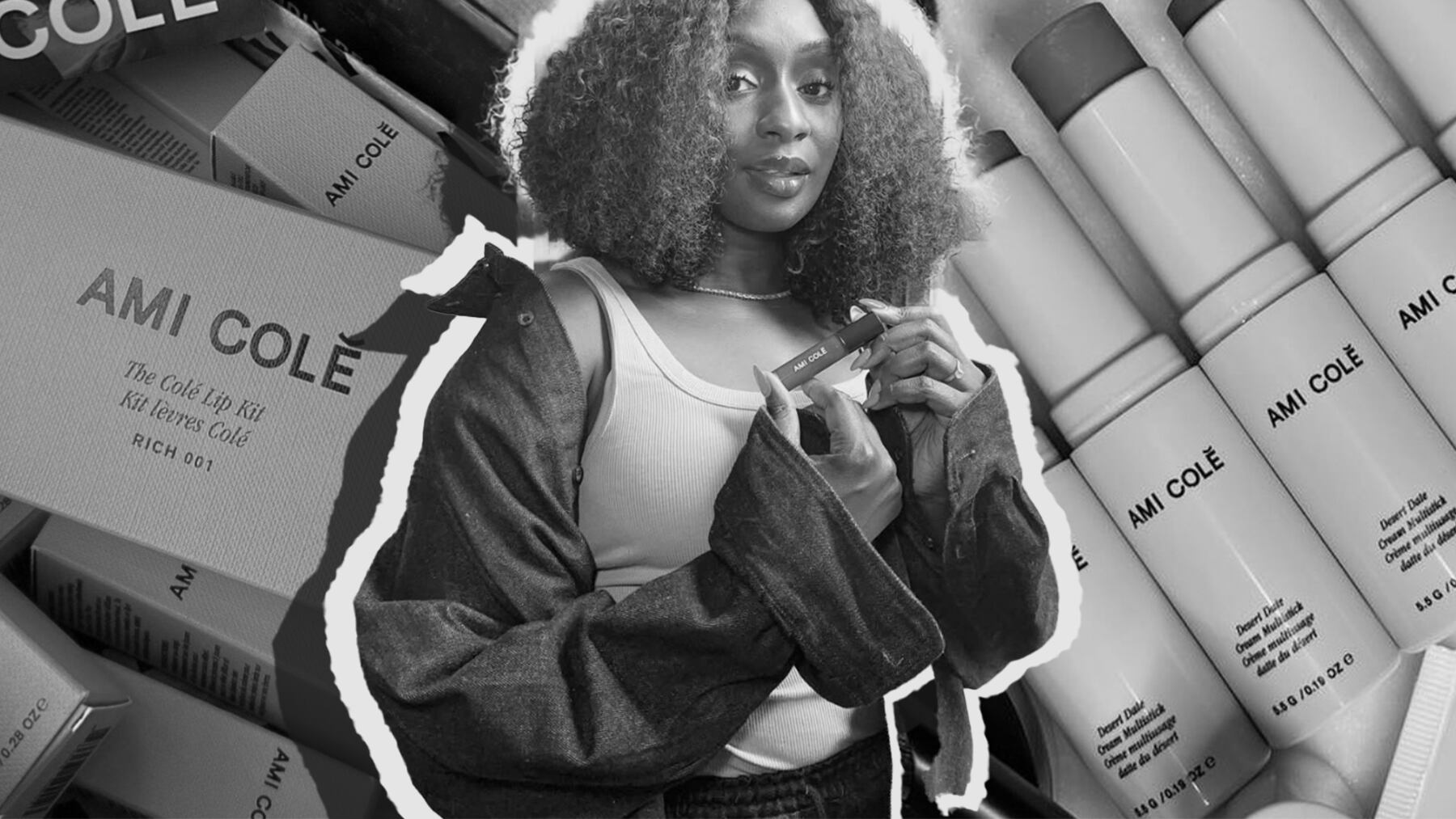
“Overwhelmed.”
That’s how Diarrha N’Diaye-Mbaye describes feeling after publicly saying that Ami Colé, the Senegalese-inspired “clear” magnificence model she based in 2021, was closing on July 17.
It was additionally a whiplash for purchasers of the model and fellow founders. The road is carried in additional than 600 Sephora shops and closed a fundraising spherical simply 9 months in the past with participation from L’Oréal. Its $20 Lip Remedy Oil and $32 Pores and skin-Enhancing Tint have been fixtures in superstar make-up luggage, and on the pages of high shiny magazines. N’Diaye-Mbaye additionally grew up in magnificence, reducing her enamel at L’Oréal and Glossier.
“An early stage startup is at all times going to be a threat, however nobody had the reply to the way to scale a various, melanin-rich model … Everybody mentioned it couldn’t be viable if we didn’t widen the aperture and alter our positioning,” N’Diaye-Mbaye informed The Enterprise of Magnificence.
Regardless of its trappings of success, together with prime placement in Sephora, boldfaced buyers and broad cultural affect, Ami Colé was certainly a small enterprise, producing simply over $3 million in income at its peak. It was additionally uncovered to all the weather that younger, unbiased manufacturers sometimes are, from unpredictable demand forecasting, intense competitors and stakeholders eager to see a quick return. However as a Black-founded model, with an outsized cultural affect, Ami Colé was additionally anticipated to be harder than the remaining, regardless of working in a local weather that also sees merchandise for pores and skin of color as “area of interest”.
“[Black founders] are anticipated to ship the output of an built-in society while nonetheless residing within the actuality of a segregated society,” mentioned Sharon Chuter, founding father of the status line Uoma Magnificence, who’s at the moment suing the brand new homeowners of the model, MacArthur Magnificence LLC and Braintrust, alleging that it was bought at a distressed value with out her data.
N’Diaye-Mbaye mentioned Ami Colé closed as a result of it couldn’t maintain the fee wanted to outmanoeuvre opponents, particularly because it tried to diversify and appeal to each prospects with lighter pores and skin tones and Black and brown prospects in much less cosmopolitan areas of the US, its core market.
“It grew to become very chicken-and-egg. Will we cease doing paid media to preserve money, or will we make investments extra in influencer advertising and marketing to develop?,” mentioned N’Diaye-Mbaye.
The model put in a brand new chief government and monetary officer in January, and whereas it managed to chop prices, it failed to lift contemporary funding or discover a purchaser, ensuing within the determination to shut in July.
Its shuttering isn’t simply one other cautionary story concerning the struggles of Black founders in magnificence. It’s a brand new proof level: even when credentialed founders observe the usual launch-and-scale playbook to the letter, they nonetheless face career-ending roadblocks and inconceivable requirements.
The Promise of Alternative
Having raised greater than $1 million between 2020 and 2022, Ami Colé, like different Black-founded manufacturers, anticipated additional capital can be readily accessible. It was not.
A harsher political local weather — together with the Trump administration’s crackdown on grants earmarked for marginalised founders — and a extra risky macroeconomic backdrop, marked by commerce wars, geopolitical tensions, shopper fatigue and slowing spending, have prompted enterprise capital corporations to scrutinise their investments extra rigorously than they did in 2020.
Dija Ayodele, founding father of the training platform Black Pores and skin Listing and creator of “Black Pores and skin,” mentioned many buyers on the time have been writing checks to sign alignment with values-driven rhetoric.
“They weren’t stress-testing manufacturers sufficient,” she mentioned. “There was lots of guilt with the funds that they have been giving out. …They have been giving sufficient so that you can shut up.”
There was additionally a disconnect between what was perceived as the whole addressable marketplace for Black prospects in magnificence. That robust spending by Black American customers — who spent $6.6 billion on magnificence in 2021, per McKinsey & Firm — was routinely alleged to translate into good points for Black-owned manufacturers. Reaching these prospects is hard, founders say.
“Pores and skin of color doesn’t make you a distinct segment shopper, however retailers attempt to make you store like a distinct segment shopper,” mentioned Chuter.
Increasing a buyer base with an inclusive core message will be difficult for manufacturers, retailers, and buyers alike — particularly when market knowledge lacks nuance. “I might be Black and need Dior … our [retail] surroundings has created a really sophisticated mismatch,” she added.
Many Black-owned manufacturers have been profitable at constructing buzz in cosmopolitan cities like Los Angeles and New York, however they usually wrestle — or overlook the necessity — to duplicate that success in different areas of the US, mentioned Tomi Talabi, founding father of The Black Magnificence Membership.
“So as to really develop your viewers it is advisable be activated in regional locations like Dallas, Chicago and Atlanta,” Talabi mentioned. “Being robust in New York and perhaps in LA isn’t sufficient to succeed in the expansion metrics buyers anticipate.”
The Path Ahead
As corporations of all sizes wrestle in right this moment’s macro surroundings, Black manufacturers face a double edged sword: having consequential that means to their communities and prospects and in addition needing to function inside typical requirements. Specialists say that working a values-based organisation can add undue scrutiny.
Affected person buyers, who’re keen to look past development at any prices, is the unlock for Chuter.
“You want buyers who don’t put strain on you to make pointless compromises actually early,” she mentioned, including that many manufacturers rush into retail at their buyers’ behest. Ami Colé launched into Sephora simply shy of a 12 months after launching direct-to-consumer; Uoma launched into Ulta Magnificence and Selfridges the identical month it opened its enterprise.
Insiders like Ayodele warning that enterprise capital funding might not be proper for a lot of rising Black magnificence founders within the first place, and encourage them to additionally contemplate options — like household workplaces, grants, angel buyers or small enterprise loans — whereas specializing in slower, extra sustainable development.
N’Diaye-Mbaye mentioned she nonetheless needs to encourage founders to attempt to construct companies — reminding them their work could also be extra impactful than they realise — however acknowledged that the present local weather presents an uphill battle.
“It’s nice that Black-owned manufacturers are being carried in massive retailers, however are they being set as much as be productive? What metrics are [they] going to be held in opposition to?,” she mentioned. “Are you going to be held in opposition to manufacturers which can be beginning with $20 million?”
Signal as much as The Enterprise of Magnificence publication, your complimentary, must-read supply for the day’s most vital magnificence and wellness information and evaluation.
[ad_2]
Source link


